ELECTRONICS // ARTIFACTS // RED TEAM HARDWARE
BUILD IT
WEIRD.
rot13labs builds unusual electronics, interactive hardware, badges, props, and gadgets for hackers, conferences, events, and anyone who thinks a normal solution sounds boring.
SEE THE DAMAGE ↓WE MAKE
CHAOS.
rot13labs is an experimental hardware lab focused on building physical things that have no business being as interesting as they are. We design and build electronics, interactive props, conference badges, embedded systems, and custom one-off machines.
We build these things because the best way to understand a technology is to take it apart, rebuild it, and make it do something it probably shouldn't do. Some of our projects are useful. Some are ridiculous. Most are both.
More importantly, we believe that understanding how something can be built, broken, or abused is one of the best ways to learn how to protect against it. Our projects are meant to be explored, questioned, and taken apart. If someone walks away knowing something they didn't know before, and knowing how to defend themselves against it, then we've succeeded.
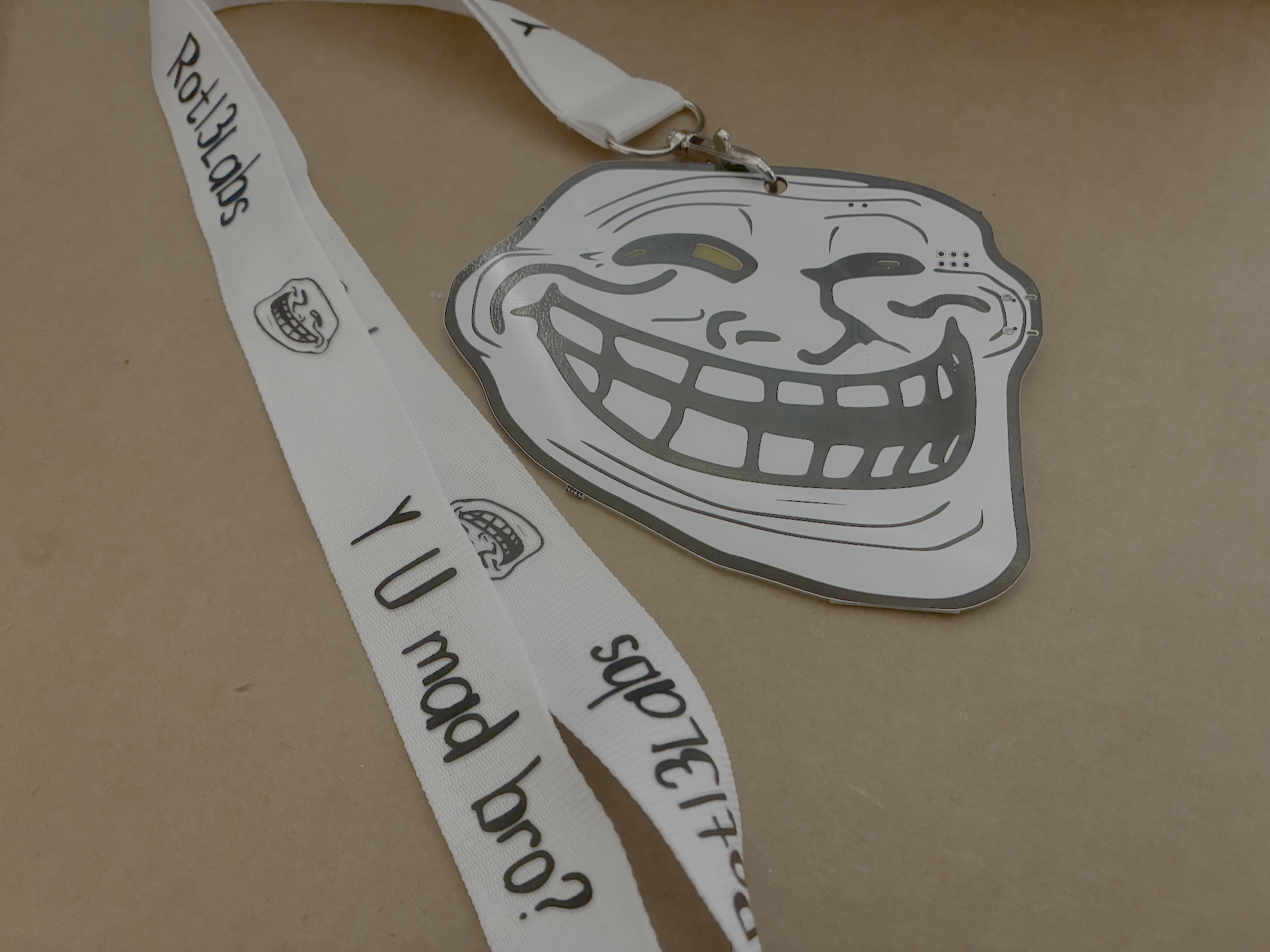
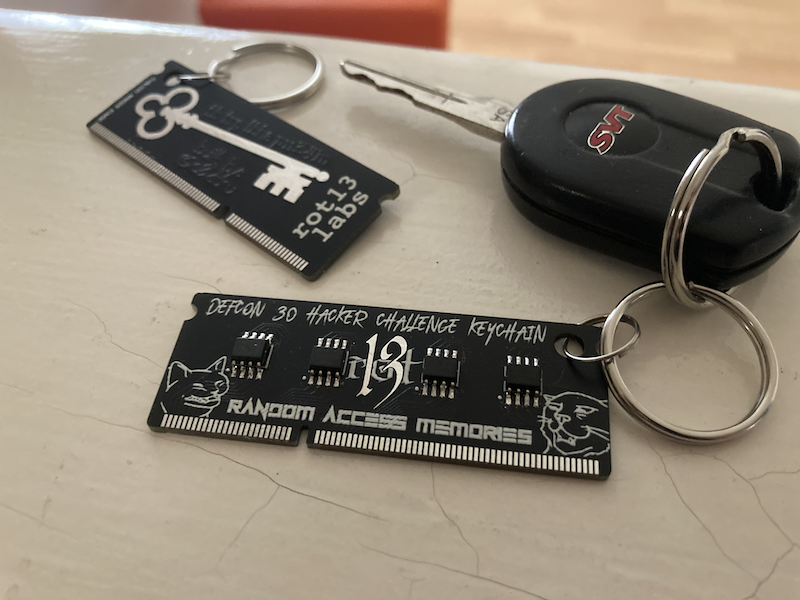
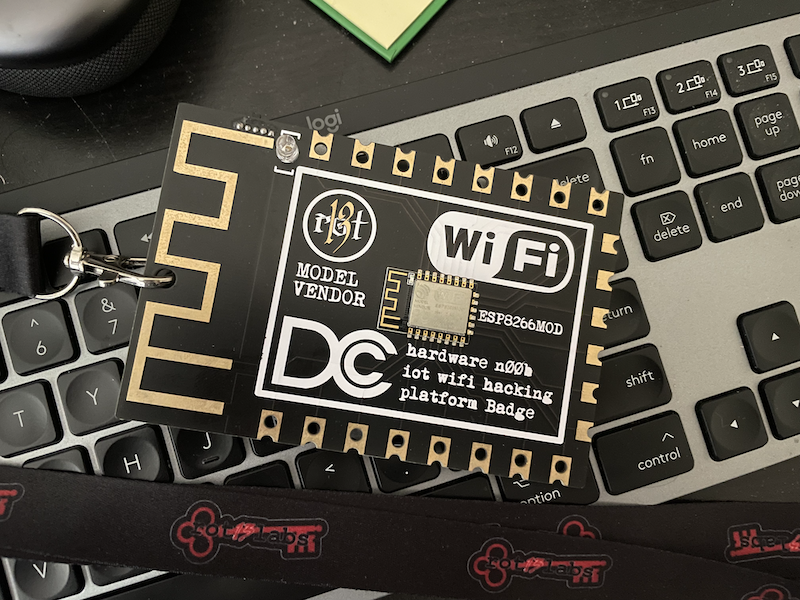
The troll badge was made for DEFCON 32 and was mostly
based around wifi manipulation and a few other fun tricks. It's main feature is that
it would scan the local wifi environment and then troll users by spoofing the SSIDs
of all nearby networks.
If user's devices attempted to connect to the spoofed networks, the badge would ignore
the connection attempts, meaning all wireless devices in the area would be unable to
successfully authenticate to any nearby networks if the troll badge was around.
This was a limited run of 100 badges.
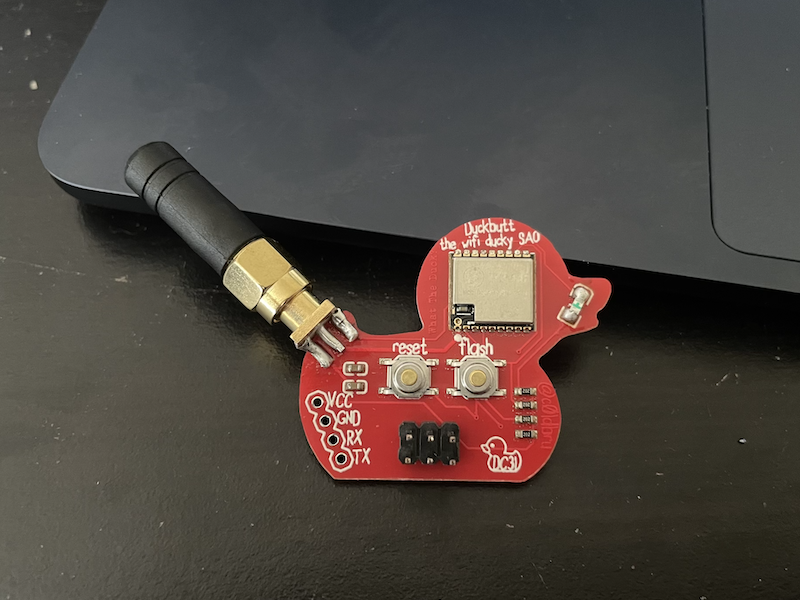
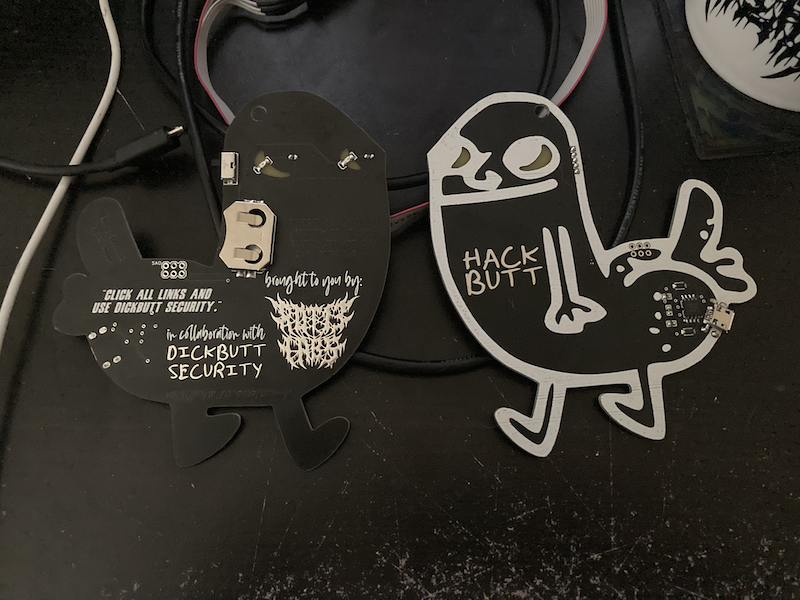
The Duckbutt SAO was designed to pack as many wifi manipulation features into a small
SAO package. When powered on, the SAO would broadcast a simple WebUI to run wireless
campaigns from.
These campaigns could include SSID spoofing, deauth attacks, and other wireless
manipulation features. The default SSID spoofing from Duckbutt and from the larger
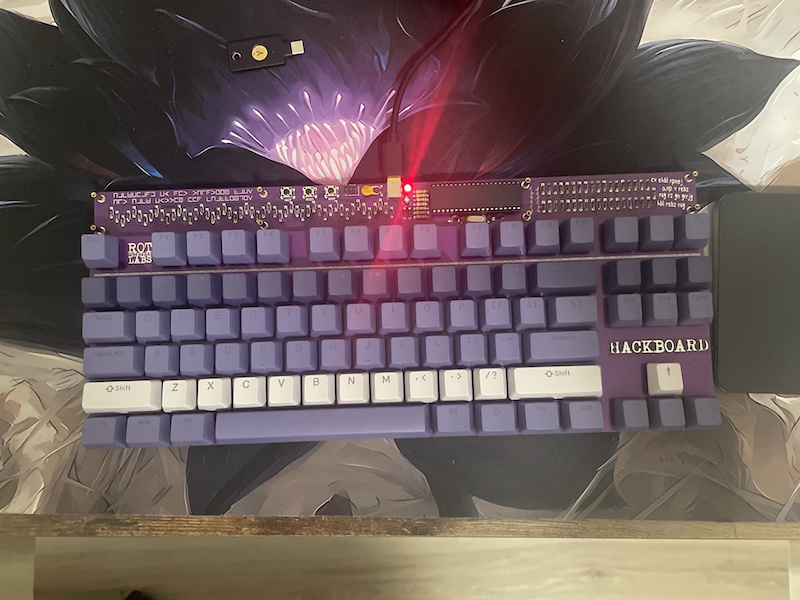
Hackbutt V3 badge, which was also released the same year, were listed as the top most
commonly found SSIDs at DEFCON that year.
This was a limited run with mostly yellow SAOs.
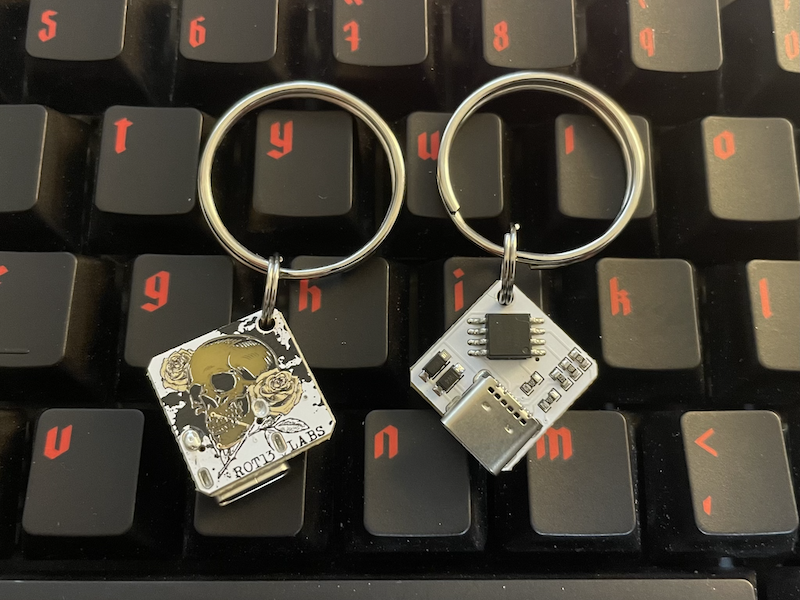
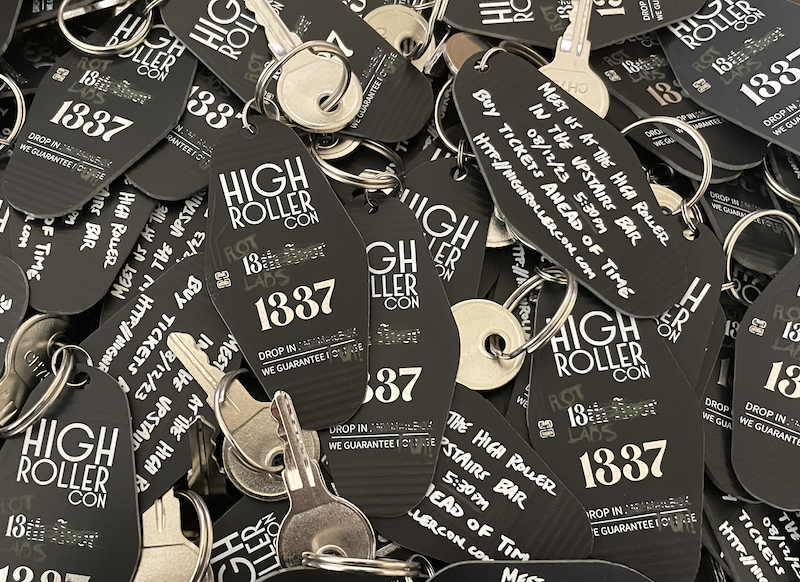
For HighRollerCon in 2023 we wanted to design a fun and unique promotional item, but
also something attendees could actually use after the event was done. With a goal of
making over 3,000 of these keychains, we had to make sure they were cost effective,
while still being something folks would actively want.
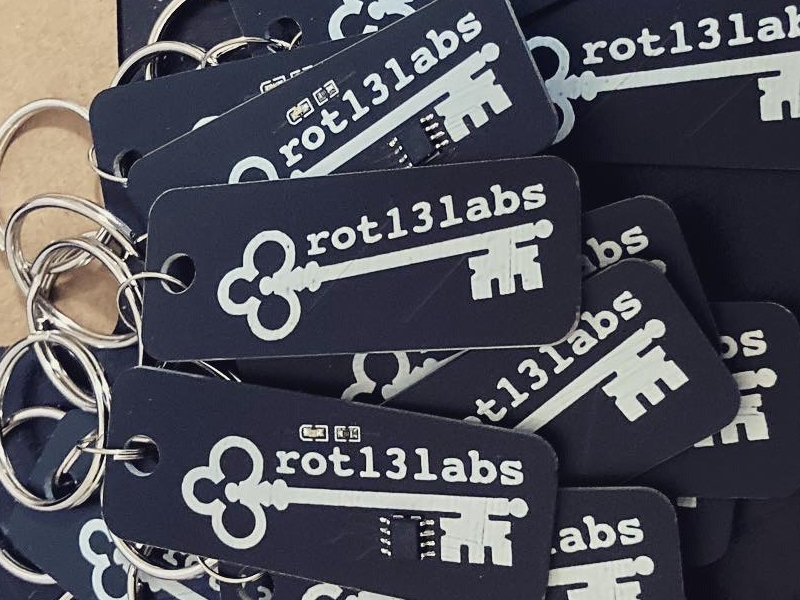
These keychains featured a single LED with an integrated antenna tuned to 13.56mhz,
which is the frequency used by high frequency RFID. By holding the badge up to an RFID
reader and looking at the LED, users could tell if the reader was high frequency or
low frequency.
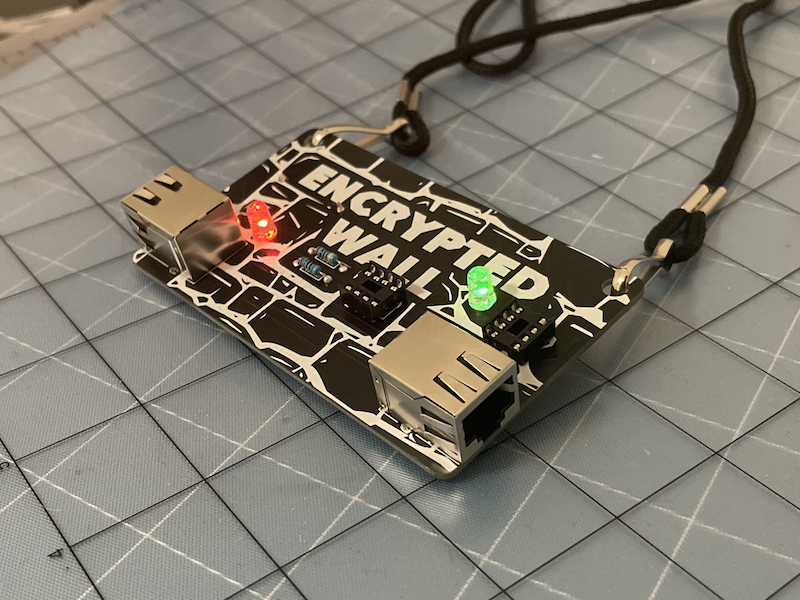
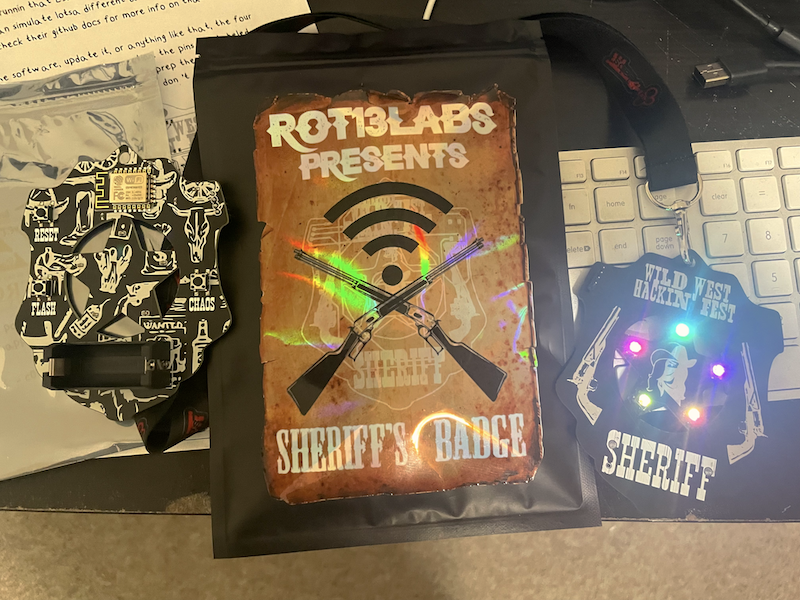
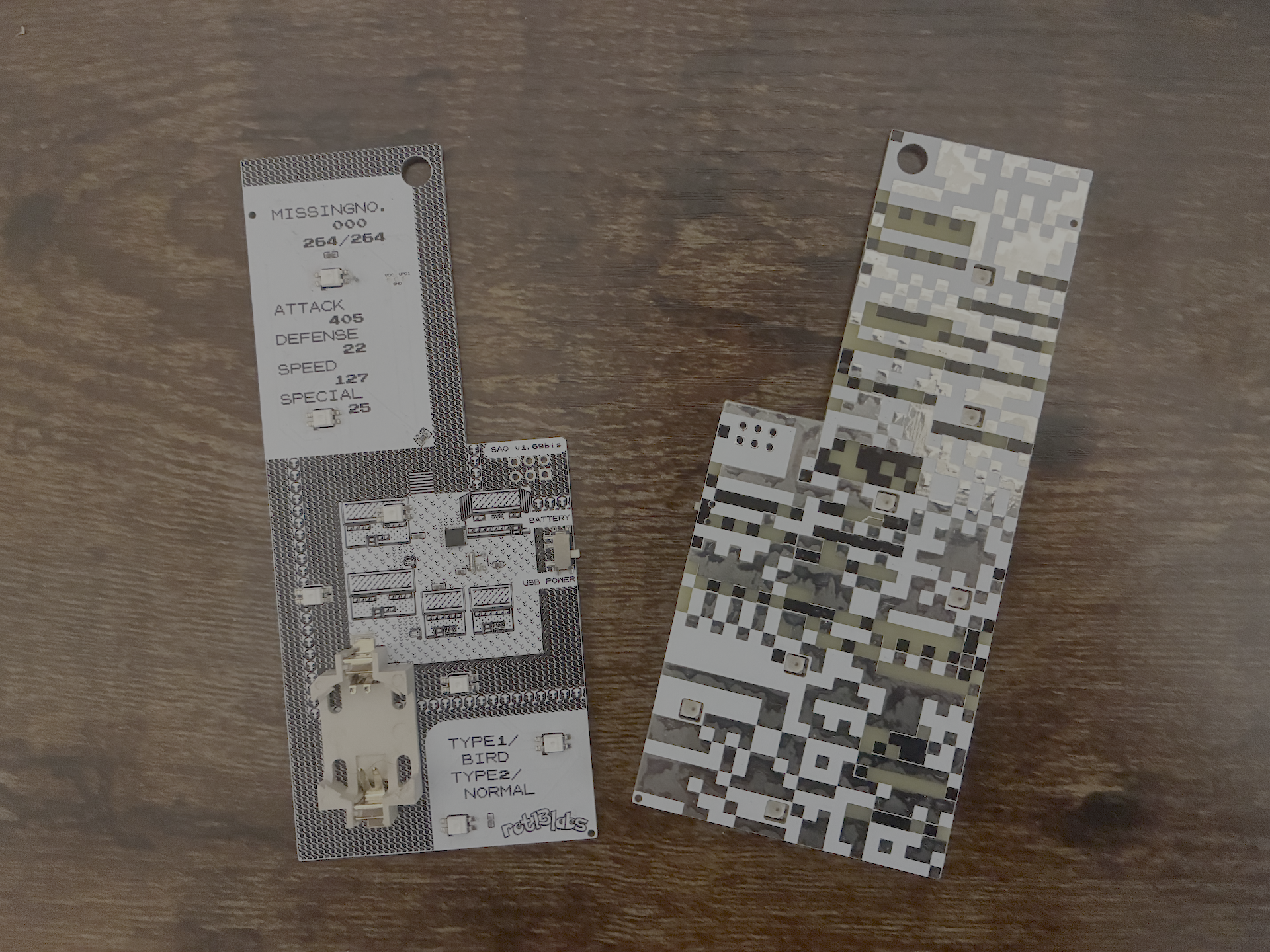
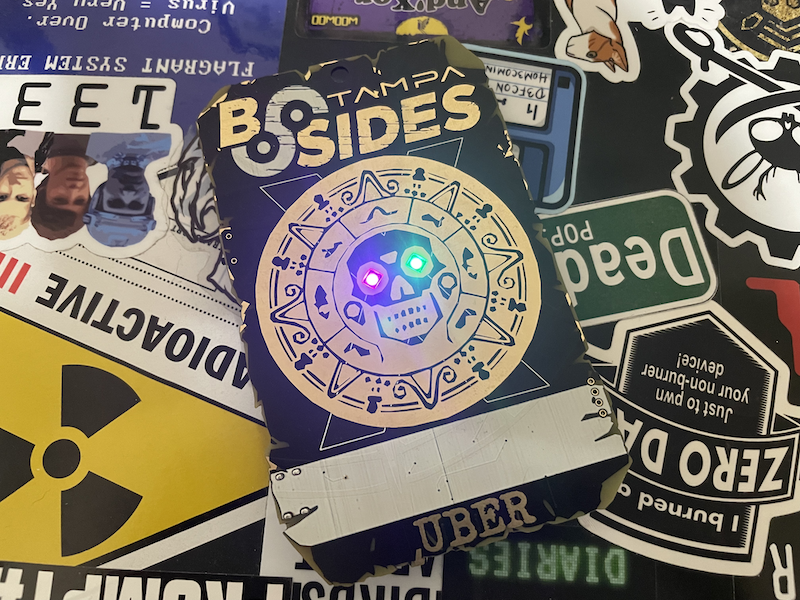
The Missingno badge was a prototype built to pay homage to the classic Pokemon glitch.
It was designed to be a fun and interactive experience for attendees, with a focus on
glitching the hardware by bridging the copper sections on the front of the badge.
By default, the LEDs on the badge would slowly cycle through the rainbow, however, by
bridging the copper sections, users could trigger a series of glitches that would cause
the badge to behave unpredictably, much like the Missingno glitch in the original
Pokemon games.
COMMERCE // EVENTUALLY
WANT ONE?
The shop is currently being rebuilt from the ground up.
ENTER THE SHOP →